Closed-Cell Spray Foam Insulation
The denser, higher-R-value foam — and in Kingman's genuine four-season climate, its vapor-retarding property earns its keep in a way it wouldn't in a purely hot-dry desert market.
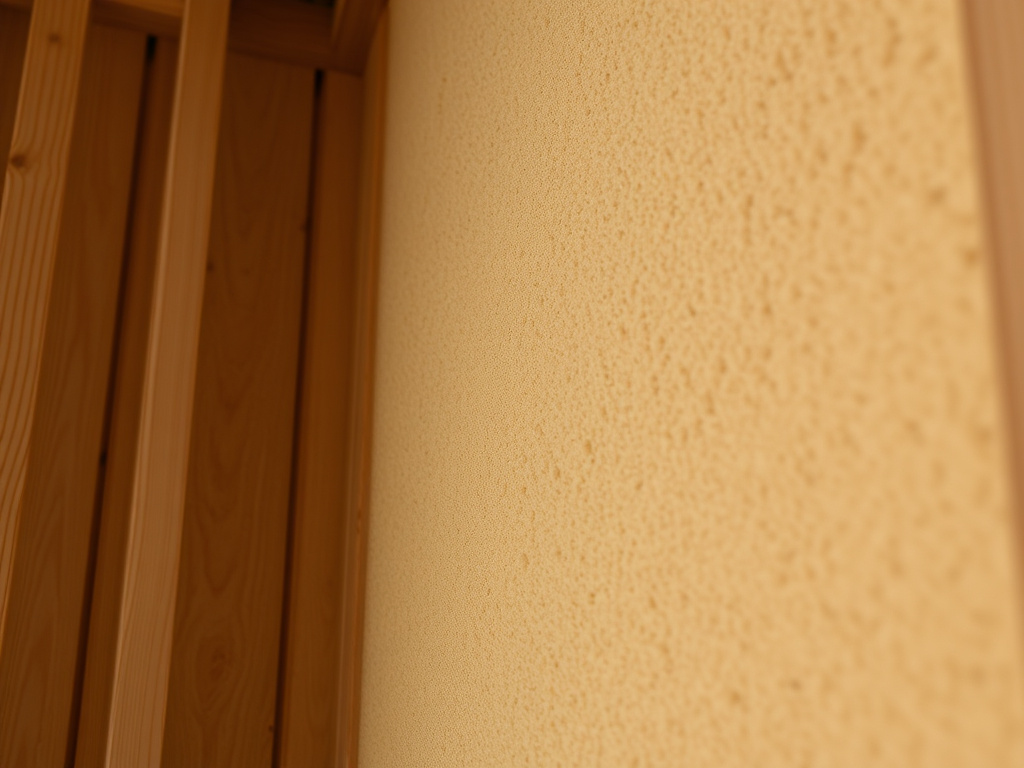
Closed-cell spray foam is denser than open-cell, delivering roughly R-6 to R-7 per inch — nearly double the R-value per inch of open-cell foam. That density also means closed-cell adds real structural rigidity to the assembly it's sprayed into and acts as a vapor retarder, which matters for roof-deck applications and any cavity where you want a single material handling insulation, air-sealing, and moisture control together.
In Kingman's Zone 3B climate — hot summers combined with genuinely cold winters at 3,336 feet of elevation — closed-cell's vapor-retarding property does real work that it wouldn't in a pure low-desert market where moisture simply isn't a variable. It's the stronger choice anywhere roofline depth is limited, for garage walls or ceilings that see the most extreme, least-buffered temperature swings in the house, and for any exterior-exposed assembly where winter moisture and freeze cycling are a genuine (if occasional) concern. It costs more per board foot than open-cell, but for exterior-exposed and structurally demanding applications, the performance difference is worth the premium. We'll assess your specific assembly and tell you honestly whether closed-cell is worth the upgrade or whether open-cell gets the job done for less.
Why homeowners choose it
- Delivers roughly R-6 to R-7 per inch — the highest R-value per inch of any common insulation material, ideal for shallow roofline cavities.
- Adds meaningful structural rigidity to the framed assembly it's applied to, unlike open-cell or batt insulation.
- Acts as a genuine vapor retarder — more relevant in Kingman's real winter climate than in a purely hot-dry desert market.
- Denser, more rigid cured structure holds up well in garages and other spaces exposed to the widest temperature swings in the house.
- Doesn't absorb water the way open-cell or fiberglass can, making it the safer choice for any assembly with even occasional moisture or freeze exposure.
Why closed-cell costs more — and when it's worth it
Closed-cell foam uses a denser chemical formulation and typically requires more skilled application, which is reflected in a higher per-board-foot price than open-cell. That premium is worth paying when you're working with limited roofline depth, need the added rigidity for a garage or exterior wall, or want real moisture control built into the same application — a genuine consideration in Kingman's winter climate. For interior walls with standard cavity depth and no moisture exposure, open-cell usually delivers comparable real-world performance for less.
Ideal for
- Roof-deck application where cavity depth is limited
- Garage walls and ceilings facing the widest temperature swings in the home
- Exterior-exposed assemblies where winter moisture and freeze cycling are a genuine factor
- Homes wanting maximum R-value per inch in a shallow retrofit application
What affects the cost
Closed-Cell Foam questions, answered
It depends on the application, but Kingman's genuine winter cold tips the math toward closed-cell more often than a purely hot-dry low-desert market would. For roof decks with limited depth, garages facing extreme heat and cold exposure, or any assembly where moisture control and structural rigidity matter, closed-cell's higher R-value per inch and vapor-retarding properties are usually worth the premium. For standard interior walls with adequate cavity depth and no moisture exposure, open-cell typically performs comparably for less money — we'll give you an honest recommendation, not an upsell, during your assessment.
Yes — closed-cell foam is a stable, inert cured material once fully set, and it doesn't degrade, off-gas, or lose R-value from repeated exposure to high attic or garage temperatures, or from winter cold, the way some other materials can over time. Its rigidity also holds up well to the wide temperature swings a Kingman attic or garage experiences between a winter morning and a summer afternoon.
Closed-Cell Foam done right, by a local Kingman crew
Closed-Cell Foam isn't a commodity — the result depends entirely on how carefully it's planned and installed for your specific home and Kingman's real dual-season climate. We assess what your house actually needs, prep and air-seal properly, and install to your Zone-3B-appropriate R-value target, so the work delivers the comfort and savings it's supposed to.
We serve Kingman, Golden Valley, Valle Vista, the Hualapai Mountain Park area, Dolan Springs, Chloride, Mohave Valley, and the Truxton/Valentine corridor. Every job starts with a free, no-pressure quote.
Just as important, we treat your home like the system it is. Insulation, air sealing, and ductwork all interact, and getting one right while ignoring the others leaves comfort and savings on the table. When we scope your closed-cell foam, we look at how it fits the whole picture — so the finished result performs the way it should, holds up through a genuine Kingman summer and winter, and actually lowers the bills you feel every month.
Free assessment
We evaluate your home and give you a clear, itemized quote.
Expert install
We prep, air seal, and install your closed-cell foam to spec — clean and on schedule.
Savings you can feel
A cooler home, lower cooling bills, and honest advice about what your home needs.
Related services
Ready for a free closed-cell foam quote?
Tell us about your home and we'll put together a clear, no-pressure spray foam insulation quote — built for Kingman's dual-season climate.